
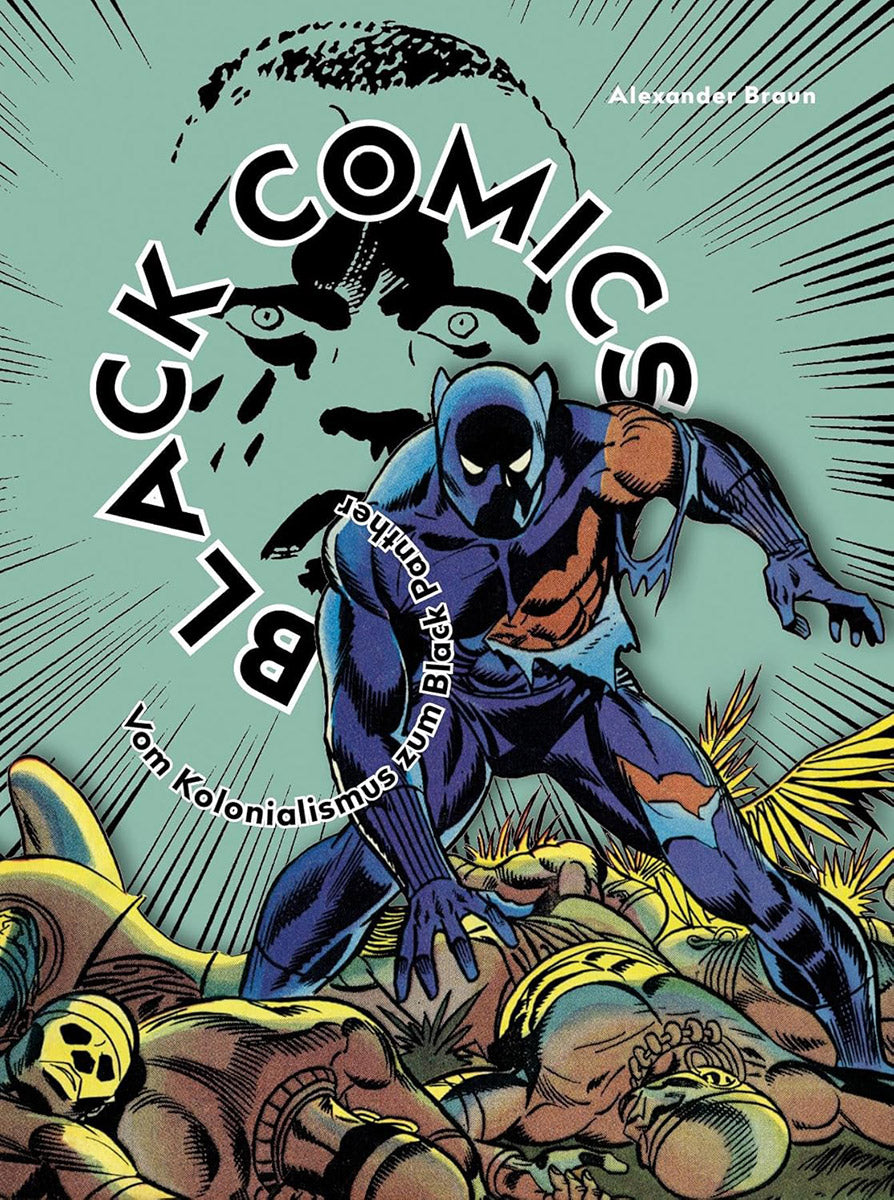
Black Comics: From Colonialism to the Black Panther
Secure payment with
Pickup available at Merchfox Comic Shop
Usually ready in 1 hour
Black Comics: From Colonialism to the Black Panther
Merchfox Comic Shop
Wiener Straße 20
4481 Asten
Austria
Our comics, manga, and books are standard retail items and—unless otherwise expressly stated for a specific item—are not sold as flawless collector’s items or graded copies.
All items from our online store are also part of our in-store selection. They are typically displayed unboxed on the shelves so that our customers can view and browse through them. If there are multiple copies of a title available, some of them may still be in their original packaging or shrink-wrapped.
Comics and books, in particular, sometimes arrive with minor signs of wear resulting from production, shipping, or storage—such as fine scratches, creases, or slight visual imperfections. Unfortunately, we have no control over this. Over time, additional minor wear may also occur due to display in the store.
If you place particular importance on the item being in the best possible condition or in its original packaging, please contact us before placing your order. We’ll be happy to take a closer look at the item you’re interested in and can send you photos in advance if needed.
Of course, statutory warranty rights remain unaffected by this.
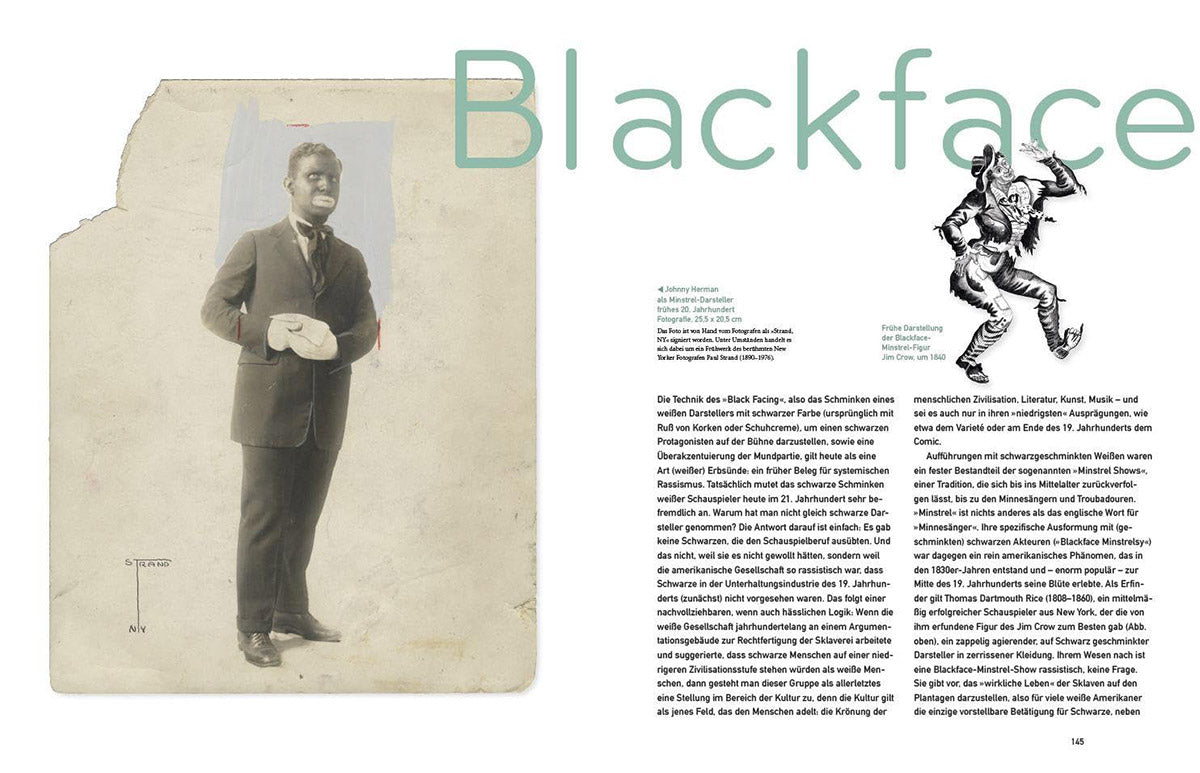
Western democracies—led by Germany—are finally beginning to grapple ruthlessly with their colonial past. Behind the romanticized adventure stories and the facade of so-called “civilizing missions” lies a brutal reality: plunder, deportation, enslavement, and genocide.
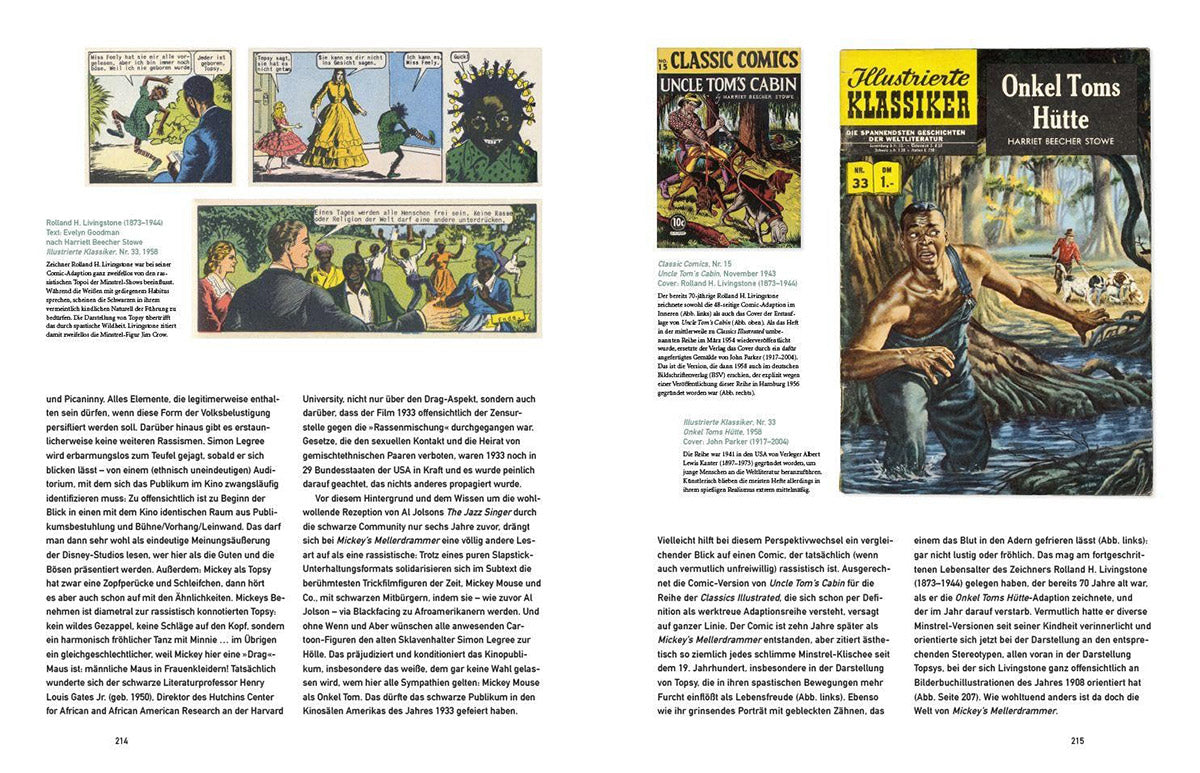
And comics? They are a mirror of their time—sometimes cruelly clichéd, sometimes boldly progressive. An extreme negative example: Hergé’s *Tim in the Congo* (1930), in which the blond reporter works side by side with missionaries to educate the supposedly “ignorant” Africans. But just nine years later, history was made: Jijé created *Blondin et Cirage*—in the midst of Nazi-occupied Belgium—featuring a Black boy as the title character.
Ironically, *Tim in the Congo* remains a bestseller in the Congo to this day. The album even sparked the emergence of a distinct African comic book culture. Today, about 50% of all comic book artists on the entire continent come from the Congo. This example shows that the history of racism in comics is complex and full of ambivalence—black and white exist here only on paper.
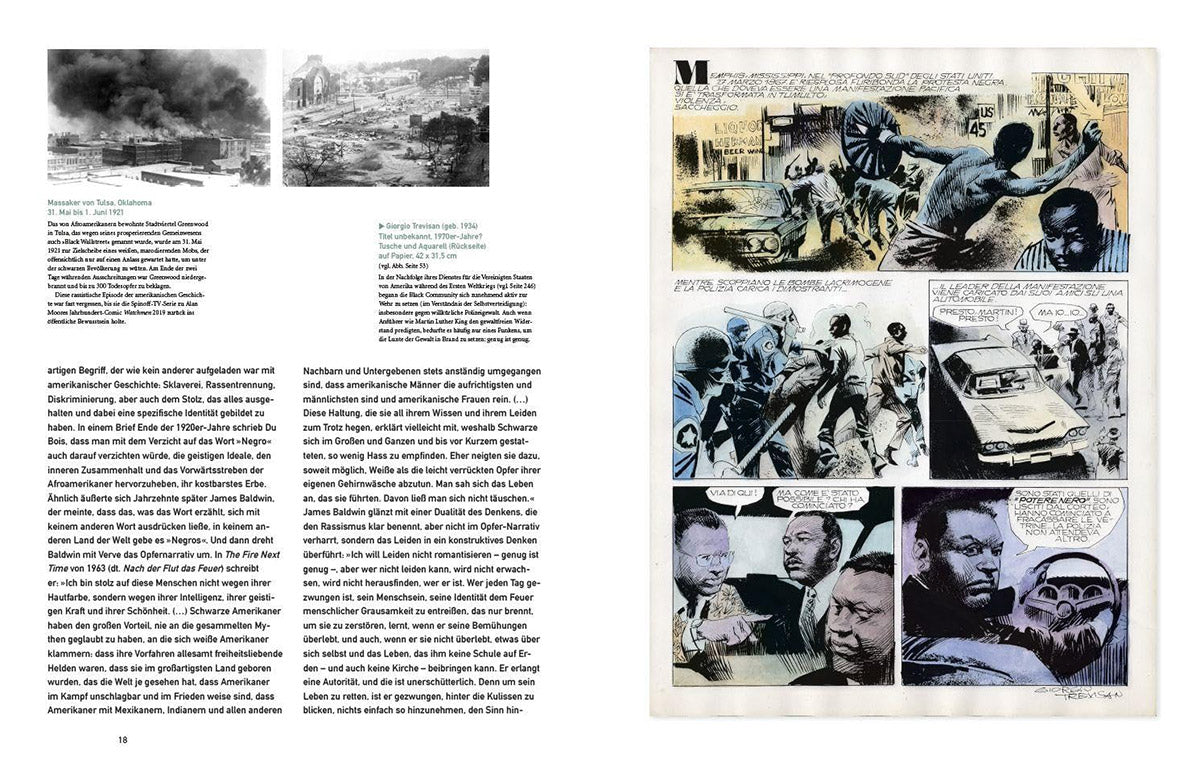
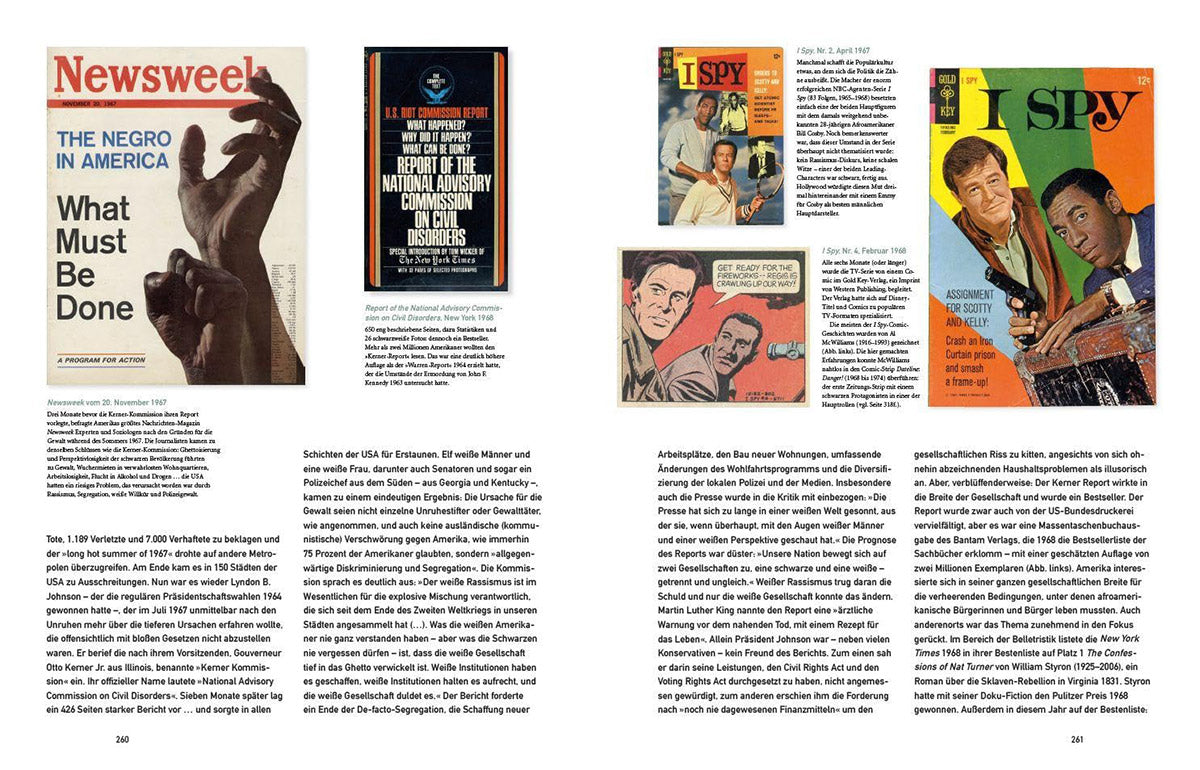
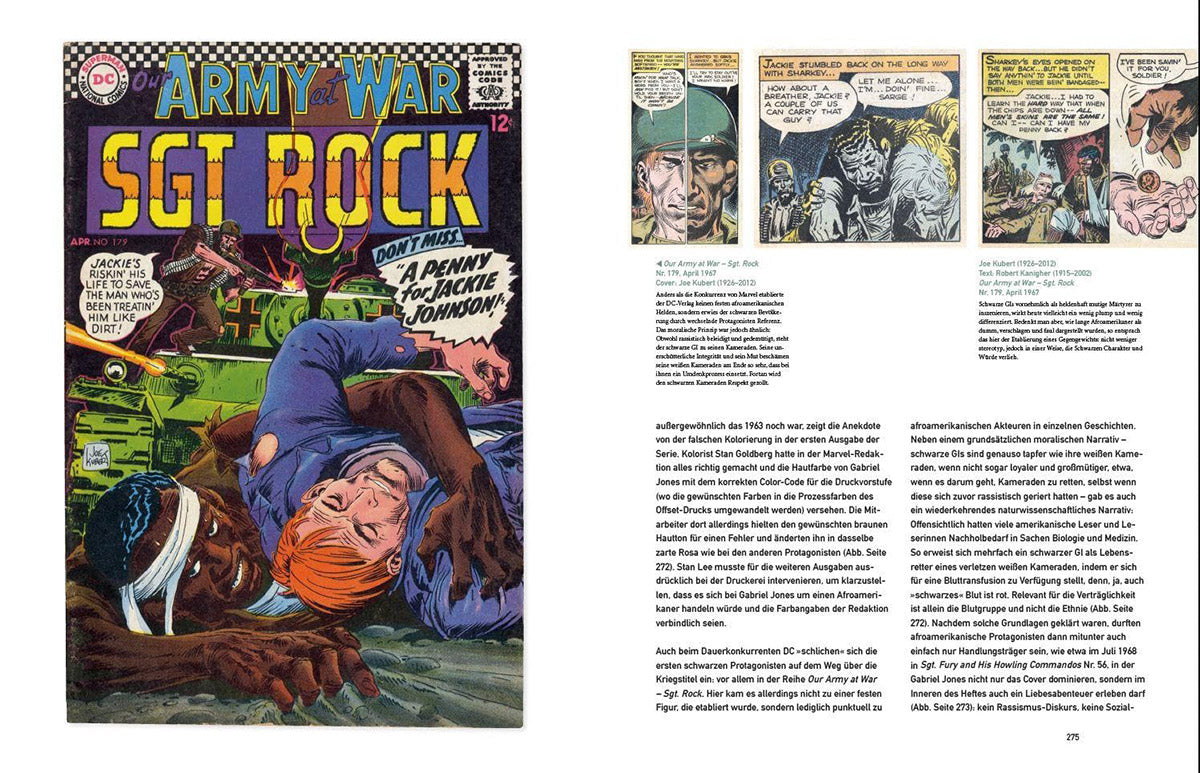
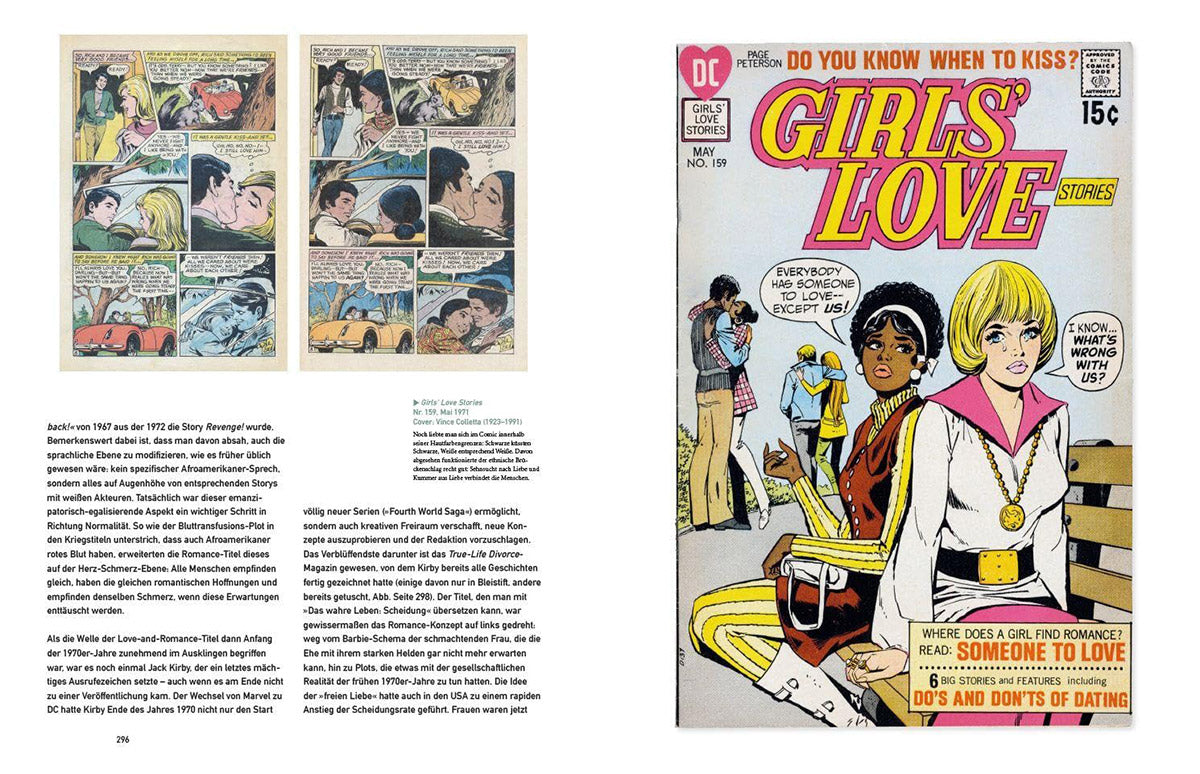
In the 1950s, EC Comics shocked the U.S. comic book world by openly denouncing racism in the U.S. and the Ku Klux Klan. The 1970s brought a revolution: Jack Kirby & Co. expanded the superhero universe to include African-American heroes, led by the legendary Black Panther. The civil rights movement had made an impact—and now more and more Black artists were drawing their own heroes.
From Ho Che Anderson to Kyle Baker, from Martin Luther King to Nat Turner—independent graphic novels are creating monuments to African American history in ink and color. Today, the comic book scene—from New York to Cape Town, from Paris and Brussels to Kinshasa—is more diverse and vibrant than ever before.
This comprehensive catalog accompanying the Black Comics exhibition goes far beyond the museum’s presentation: It features significantly more exhibits, provides in-depth analyses, draws surprising connections, and brings hidden treasures to light. Dr. Alexander Braun combines expert knowledge with an entertaining, elegant writing style—bringing history to life in a way that is relevant and engaging.
A must-read for anyone who wants to explore the history of comics, colonialism in pop culture, Black superheroes, and the global diversity of the Ninth Art.
No wonder “Black Comics” won the PENG Prize at the Munich Comic Festival in 2025 for best secondary work on comics.
More info